
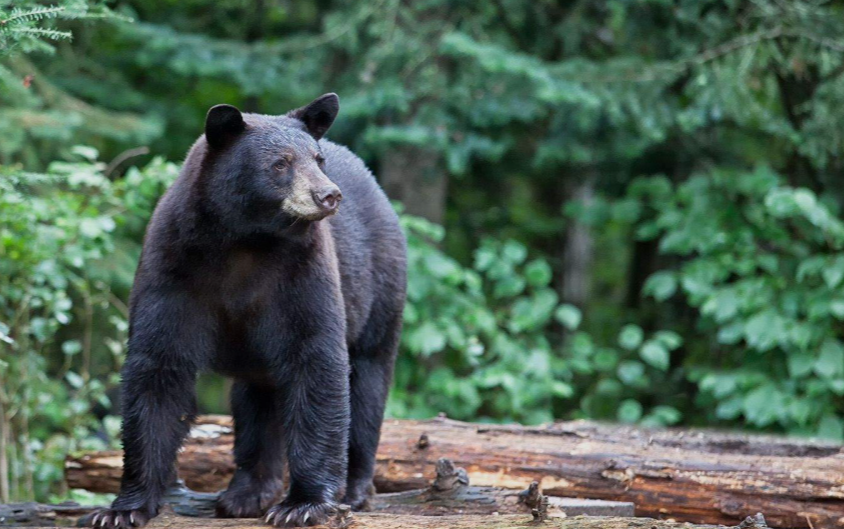
The USA’s most exciting wildlife encounters take place in a remarkable range of settings, from Alaskan rivers full of salmon to Florida springs filled with manatees. The country has more than 400 national park units and hundreds of wildlife refuges, and many of them protect animals that draw visitors from around the world. A single trip can put you within sight of a 1,000-pound bear, a 40-ton whale or a glowing forest of fireflies.
What makes these experiences so thrilling is that the animals are wild and follow their own schedules. Salmon runs, mating seasons, migrations and nesting periods decide when the action peaks. Visitors who plan around those natural events are far more likely to see something unforgettable than those who simply show up.
Good timing is only half of the picture, because responsible viewing matters just as much. National parks generally ask visitors to stay at least 25 yards from most large animals and at least 100 yards from bears and wolves. Binoculars, spotting scopes and telephoto lenses let you enjoy a close view without disturbing the animals or putting yourself at risk.
The 21 encounters below cover mammals, birds, marine life and even insects, and they stretch from Alaska and Hawaii to Florida and Maine. Some are famous, and others are lesser-known gems. Here is where to find each one and what makes it so special.
1. Watching Grizzly Bears Catch Salmon at Brooks Falls, Alaska
Watching grizzly bears at Brooks Falls in Katmai National Park is one of the most iconic wildlife experiences in North America. Each July, sockeye salmon leap up the falls on their way to spawn, and brown bears line up at the lip of the cascade to catch them in midair. Katmai is home to about 2,200 brown bears, and a big bear can eat dozens of salmon a day. By fall, the heaviest males can top 1,000 pounds.
Visitors reach the park by floatplane or boat from the town of King Salmon, and they watch from elevated platforms that hold a limited number of people. The peak season runs from late June through July, with a second wave of activity in September. In October, the park holds Fat Bear Week, an online contest in which fans vote for the chubbiest bear. The platforms offer a safe way to stand just yards from some of the largest bears on Earth.
2. Spotting Wolves in Yellowstone’s Lamar Valley, Wyoming
Spotting wolves in Yellowstone’s Lamar Valley is a thrill that often starts with a line of people holding spotting scopes at dawn. Wolves were reintroduced to the park in 1995 and 1996, when 31 animals were brought in from Canada. The population has since grown to roughly 100 wolves living in several packs. Lamar Valley is often called the Serengeti of North America because of its wide-open views of wildlife.
Winter is the best time to see wolves because dark animals stand out against the snow and packs hunt in the open. Park rangers and local guides can help locate packs, which are usually seen as distant dots on a hillside. Hearing a chorus of howls echo across the valley is an experience that stays with visitors for life. You should stay at least 100 yards from any wolf, and a good spotting scope is the best tool for the job.
3. Standing Among Bison in Yellowstone’s Hayden Valley, Wyoming
Standing among bison in Yellowstone’s Hayden Valley is a reminder of how the American plains once looked. Yellowstone holds about 5,000 bison, making it home to the largest public herd in the country. Adult bulls can weigh up to 2,000 pounds, yet they can sprint at about 35 miles per hour. The animals also swim across rivers and plow through deep snow with their massive heads.
The summer rut in July and August is the most dramatic time, when bulls bellow, wallow in dust and clash over mates. Traffic often stops on the park roads as herds cross, creating what visitors call bison jams. Calves, born in spring and nicknamed red dogs for their orange coats, add to the charm. Keep at least 25 yards away, because bison are unpredictable and injure more visitors in Yellowstone than any other animal.
4. Hearing Bull Elk Bugle in Rocky Mountain National Park, Colorado
Hearing bull elk bugle in Rocky Mountain National Park is one of the great autumn spectacles in the American West. In September and October, mature bulls weighing up to about 700 pounds gather harems of cows and challenge rivals with high-pitched, whistling calls. Their heavy antlers clash in dramatic sparring matches. The sound echoes through the aspen groves and mountain meadows at dawn and dusk.
Some of the best viewing is in Moraine Park, Horseshoe Park and the meadows around the town of Estes Park. Elk often wander right through town during the rut, so you can sometimes watch them from a car or sidewalk. Visitors are asked to give the animals plenty of space, because rutting bulls can be aggressive. The golden fall colors make it a beautiful season to visit.
5. Meeting Humpback Whales Off Maui, Hawaii
Meeting humpback whales off Maui is a bucket-list encounter that happens each winter in the warm waters of Hawaii. About 10,000 humpbacks, roughly two-thirds of the North Pacific population, migrate here from Alaska to mate and give birth. The trip covers around 3,000 miles, and the whales barely eat during the journey. Adults measure about 40 to 45 feet long and weigh as much as 40 tons.
Peak season runs from January through March, and whale-watching boats leave from Lahaina and Maalaea Harbor every day. Visitors may see tail slaps, spy-hopping and the spectacular full-body breaches for which humpbacks are famous. On calm days, you can even hear the males singing underwater through a hydrophone. The waters around the islands are protected as a national marine sanctuary.
6. Swimming With Manatees in Crystal River, Florida
Swimming with manatees in Crystal River is a gentle but thrilling encounter that is unique to Florida. The springs in Kings Bay stay at a steady 72 degrees all year, so manatees crowd into the warm water from November through March when the Gulf turns cold. Adult manatees weigh more than 1,000 pounds and can eat up to 10 percent of their body weight in plants every day. Their slow, curious nature makes them delightful to watch.
Crystal River is one of the only places in the country where visitors can legally swim with wild manatees under licensed tour guides. Rules prohibit touching or chasing them, so the best approach is to float quietly and let them come to you. Early morning tours tend to have the clearest water and the fewest boats. Manatees were once listed as endangered and are now classed as threatened, thanks to decades of protection.
7. Seeing Alligators in the Everglades, Florida
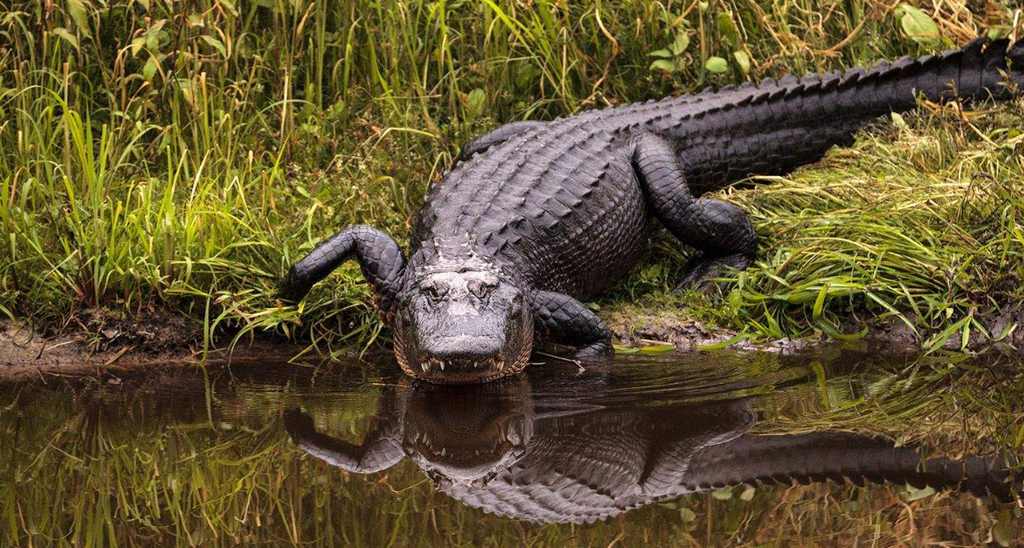
Seeing alligators in the Everglades is a classic Florida adventure that puts you face to face with a living dinosaur-era reptile. Florida is home to more than 1 million alligators, and males can grow to about 11 feet or longer. Everglades National Park is also the only place on Earth where alligators and crocodiles live side by side. During the dry season from December to April, animals crowd around remaining water holes and are easy to spot.
The Anhinga Trail and the 15-mile tram loop at Shark Valley are favorite places for safe viewing. In spring, males bellow in a deep, rumbling chorus that makes the water dance on their backs. Anglers and airboat operators also offer tours through the sawgrass marshes. Visitors should never feed alligators and should keep a safe distance from the water’s edge.
8. Watching Sea Otters in Monterey Bay, California
Watching sea otters in Monterey Bay is a delight, especially in the calm waters of Elkhorn Slough near Moss Landing. Sea otters have the densest fur of any animal, with up to 1 million hairs per square inch. They have to eat about 25 percent of their body weight every day to stay warm. California’s population numbers about 3,000 animals.
Visitors can kayak or take a small boat tour to see the otters floating on their backs, cracking shellfish open on rocks they hold on their bellies. Mothers often carry pups on their chests, and sleeping otters wrap themselves in kelp or hold paws to avoid drifting apart. Spring and early summer bring many pups. Keeping a respectful distance is important, since disturbances can force the animals to waste precious energy.
9. Visiting Elephant Seals at Año Nuevo, California
Visiting elephant seals at Año Nuevo State Park is a loud, messy and unforgettable wildlife encounter. From December through March, thousands of seals haul out on the beach to breed and give birth. Bulls can weigh up to 5,000 pounds and stretch more than 14 feet long, and they fight for dominance with bellowing roars. These animals dive deeper than 5,000 feet to hunt, among the deepest dives of any mammal.
Elephant seals were nearly wiped out by hunting in the 1800s, but they have rebounded to well over 150,000 animals. In the breeding season, visitors must join a guided walk with a reservation to see the seals up close. Another popular spot is the free viewing area at Piedras Blancas near San Simeon. Pups, called weaners, can be seen learning to swim in the shallows in spring.
10. Seeing Puffins on Eastern Egg Rock, Maine
Seeing puffins on Eastern Egg Rock gives visitors a close look at one of the most charming seabirds in the Atlantic. Puffins had nearly vanished from Maine by the late 1800s because of hunting, but a restoration project beginning in 1973 brought them back to the island using decoys and chicks moved from Canada. Today, about 5,000 pairs nest in Maine each summer. A puffin beats its wings about 400 times per minute and can fly at nearly 55 miles per hour.
Boat tours leave from places such as Boothbay Harbor and Port Clyde from June through August. Puffins are easiest to see in early summer, when they carry rows of silvery fish in their colorful beaks to feed their chicks. The birds spend the winter far out at sea. The tours get close enough for photos without landing on the island.
11. Witnessing the Sandhill Crane Migration on the Platte River, Nebraska
Witnessing the sandhill crane migration on the Platte River is a breathtaking sight that fills the sky each March. More than 500,000 cranes, around 80 percent of the world’s sandhill crane population, stop in central Nebraska to rest and fatten up. The birds stand about 4 feet tall and have wingspans of 6 to 7 feet. They are among the oldest bird species alive, with fossils dating back millions of years.
The best viewing is at sunrise and sunset, when the cranes leave or return to their roosts on the shallow river sandbars. Viewing blinds near Kearney and Grand Island offer a close look while keeping the birds undisturbed. Their rattling calls can be heard for miles as the flocks arrive. It is one of the greatest bird migrations in North America.
12. Gathering With Bald Eagles in Haines, Alaska
Gathering with bald eagles in the Chilkat Bald Eagle Preserve near Haines is a spectacle found nowhere else in the country. From October through December, up to 3,000 eagles crowd along the Chilkat River to feed on a late run of chum salmon. A warm upwelling keeps part of the river ice-free well into winter, which draws the birds from across the region. Bald eagles have wingspans of 6 to 7.5 feet, and dozens can sit in a single cottonwood tree.
The 48,000-acre preserve has pullouts along the highway where visitors can watch the birds without leaving their cars. Early morning offers the best light for photos, and the snowy mountains make a spectacular backdrop. Haines also hosts the Alaska Bald Eagle Festival each November. Dress warmly, because temperatures can drop well below freezing.
13. Seeing Synchronous Fireflies in the Great Smoky Mountains, Tennessee
Seeing synchronous fireflies in the Great Smoky Mountains is like watching a living light show unfold in the forest. For about two weeks in late May and early June, thousands of fireflies near Elkhorn in the Elkmont area flash in unison, then pause in total darkness before beginning again. It is one of only a few places in the world where this behavior occurs. The display peaks for just about 10 days, depending on weather and temperature.
Because the event draws huge crowds, the park runs a lottery for vehicle passes each spring, and visitors ride a shuttle to the viewing area. Rules ask people to use red lights and avoid white flashlights, which disrupt the insects’ signals. The experience is quiet and almost magical. Winning a pass requires planning well ahead of time.
14. Watching Millions of Bats Emerge at Bracken Cave, Texas
Watching millions of bats emerge at Bracken Cave near San Antonio is one of the most astonishing wildlife displays in the world. The cave shelters between 15 and 20 million Mexican free-tailed bats in summer, making it the largest bat colony on Earth. At dusk, the bats spiral out in dense, swirling columns that can stretch for miles. Together they eat tons of insects in a single night, including many crop pests.
Bat Conservation International protects the cave, and public viewing is limited to special event nights, so reservations are necessary. A more accessible option is the Congress Avenue Bridge in Austin, where about 1.5 million bats emerge nightly from March through October. Crowds gather on the bridge and along the water at sunset. The bats typically take flight within a half hour of sundown.
15. Viewing Polar Bears at Kaktovik, Alaska
Viewing polar bears at Kaktovik is one of the few ways to see these Arctic giants in the United States. The village sits on Barter Island on the northern edge of the Arctic National Wildlife Refuge, where bears gather on the coast from late August to October waiting for sea ice to form. Adult males can weigh up to 1,500 pounds. The bears often feed on leftover whale remains put out by local hunters.
Visitors take small boat tours from the village to watch the bears safely from the water. Most travelers reach Kaktovik by small plane from Fairbanks, which adds to the sense of adventure. Seeing a mother and cubs wander along the shore is a highlight. The area is remote, so tours book up early.
16. Whale Watching for Orcas in the San Juan Islands, Washington
Whale watching for orcas in the San Juan Islands brings visitors close to one of the ocean’s top predators. The endangered Southern Resident orcas, a fish-eating group of fewer than 80 animals, travel these waters in tight family pods. Another type, called Bigg’s orcas, hunts seals and sea lions and can be seen almost year-round. Adult orcas can reach 30 feet long and weigh up to 6 tons.
Boats leave from Friday Harbor and other ports, and strict rules require vessels to keep a legal distance from the whales. Lime Kiln Point State Park, nicknamed Whale Watch Park, offers a free chance to spot orcas from shore. Summer months bring the best chance of seeing resident pods chasing salmon. Orcas may breach, tail-slap or spy-hop with their heads above water.
17. Spotting Denali’s Big Five in Denali National Park, Alaska
Spotting Denali’s Big Five is a goal for many visitors to the park’s vast wilderness. The list includes grizzly bears, moose, caribou, Dall sheep and wolves, with wolves being the hardest to see. The park covers about 6 million acres, an area larger than the state of Massachusetts. Its single road runs 92 miles through tundra, river valleys and mountain passes.
Most visitors travel on park buses that stop whenever someone spots an animal, which makes it easy to share sightings. Late summer offers the best chances, when the tundra turns red and gold and bears feed on berries. On a clear day, you may also catch a glimpse of the 20,310-foot mountain that gives the park its name. Seeing all five in one trip is possible but takes patience and luck.
18. Witnessing Loggerhead Sea Turtles Nest in Florida
Witnessing loggerhead sea turtles nest on a Florida beach is a rare glimpse into an ancient ritual. From May through October, females weighing 200 pounds or more crawl ashore at night to dig nests and lay about 100 eggs. Florida beaches host more than 100,000 loggerhead nests in a typical season, making it one of the most important nesting areas in the world. Each female returns to the beach where she hatched, often decades later.
Guided turtle walks run in places such as Juno Beach and the Archie Carr National Wildlife Refuge, where experts help visitors watch quietly with red lights. About 50 to 60 days later, hatchlings emerge at night and scramble toward the sea. Only about 1 in 1,000 survives to adulthood. Visitors should never use flash photography or bright lights, since they confuse the tiny turtles.
19. Watching Great White Sharks off Cape Cod, Massachusetts
Watching great white sharks off Cape Cod has become a surprising summer attraction on the East Coast. After gray seals recovered following protection laws in 1972, hundreds of white sharks began visiting the waters near Chatham and Monomoy each summer and fall. The sharks can grow to 15 feet or longer. Spotter planes and boats often see them cruising close to shore and chasing seals.
Visitors can join boat tours or watch from the beaches near Chatham, where signs and flags warn swimmers. The Atlantic White Shark Conservancy runs an app that tracks tagged sharks in real time. Peak season runs from July through October. Many people find the sight thrilling and humbling at the same time.
20. Seeing Wild Horses on Assateague Island, Maryland and Virginia
Seeing wild horses on Assateague Island is a peaceful and photogenic encounter along the Atlantic coast. Roughly 300 horses roam the island in two herds, one in Maryland and one in Virginia, separated by a fence at the state line. They live on salt marsh grasses and have adapted to wind, insects and sandy soil. The Maryland herd is managed with birth control, while the Virginia herd is kept to about 150 ponies.
Every year on the last Wednesday in July, the Chincoteague Pony Swim sends the Virginia herd across the channel to the town of Chincoteague. The event draws tens of thousands of spectators, and foals are auctioned to raise money for the volunteer fire company. On regular days, you can see horses grazing on beaches and campgrounds. They are wild and may bite or kick, so visitors should stay at least 10 feet away.
21. Watching Hummingbirds in Southeast Arizona
Watching hummingbirds in southeast Arizona is a delight for birders and casual visitors alike. The region attracts more than a dozen species each summer, including several that are found almost nowhere else in the United States, such as the violet-crowned and magnificent hummingbirds. These birds weigh less than a nickel, and their hearts can beat up to 1,200 times per minute. Their wings can beat 50 to 80 times every second.
Madera Canyon and Ramsey Canyon are two of the best places, with feeder stations that bring birds within a few feet. July and August bring the greatest variety as the monsoon rains trigger flower blooms. Early morning and late afternoon are the most active times. Many lodges and preserves in the area welcome visitors who simply want to sit and watch.
Conclusion
The United States offers an incredible variety of wildlife encounters, from watching bison roam Yellowstone’s grasslands to spotting alligators in Florida’s wetlands and observing whales along the coast. Each experience offers a unique opportunity to appreciate the country’s diverse ecosystems and the animals that depend on them.
Whether you prefer exploring national parks, hiking through forests, visiting coastal habitats, or watching birds in your own backyard, wildlife encounters can create lasting memories while deepening your understanding of nature. The best experiences come from patience, responsible observation, and respect for animals in their natural habitats.
